
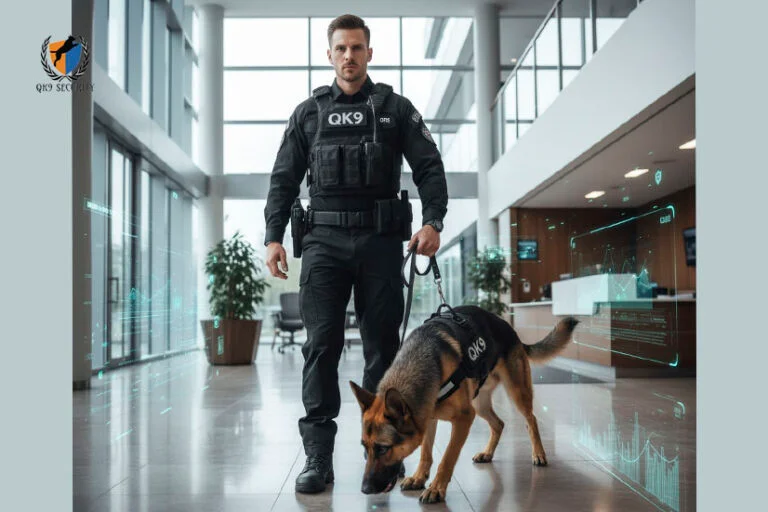
Duties and Responsibilities of a Security Guard:
In order to secure people, property, and enterprises, security guards are essential. Their visible presence serves as a powerful deterrent to crime, while their training enables them to respond swiftly to any signs of danger. Below is an overview of the five key responsibilities every security guard must uphold, highlighting the essential contribution they make to maintaining safety and order.
1. Patrolling and Surveillance
One of the primary responsibilities of a security guard is to conduct regular patrols and maintain continuous surveillance. These activities help ensure the safety of the premises and quickly identify any unusual or suspicious behavior.
Key Responsibilities:
- Scheduled Patrols: Guards follow a set route and schedule to provide complete coverage of all areas.
- Surveillance Monitoring: Alongside patrols, guards observe CCTV feeds and other monitoring systems to detect potential security threats.
- Rapid Incident Response: In cases of emergencies such as break-ins, fires, or unauthorized activities, guards are trained to respond promptly and efficiently.
Tip: For professional guidance on patrolling best practices, refer to the U.S. Department of Homeland Security’s security protocols.
2. Access Control
Maintaining control over who enters and exits a facility is another vital function of a security guard. By ensuring only authorized individuals gain access, guards help prevent theft, vandalism, and other security risks.
Key Responsibilities:
- Identity Verification: Verifying authority by looking through visitor records, staff permits, or identification
- Monitoring Entrances and Exits: Overseeing all access points to prevent unauthorized entry.
- Policy Enforcement: Implementing and maintaining access control measures in line with company security policies.
Resource: For more detailed strategies, explore the International Security Management Association (ISMA)’s guide on access control.
3. Emergency Response
Security guards are often first on the scene during emergencies — from medical incidents to fires or natural disasters. Their ability to act calmly and effectively can make a significant difference in safeguarding lives and property.
Key Responsibilities:
- Preparedness and Protocols: Being familiar with emergency plans, evacuation routes, and response procedures.
- Basic Medical Assistance: Providing first aid or CPR when needed until emergency responders arrive.
- Coordination with Authorities: Working closely with police, fire departments, and medical teams during crises to ensure an organized response.
4. Report Writing
Accurate reporting is a critical aspect of a security guard’s duties. In addition to promoting responsibility, well-maintained records offer useful information for enhancing next security operations.
Key Responsibilities:
- Incident Reporting: Documenting any unusual occurrences, disturbances, or breaches in detail.
- Daily Activity Logs: Recording routine duties and observations to maintain a comprehensive shift report.
- Clear Communication: Ensuring that reports are precise, professional, and easy for management or law enforcement to review.
Recommended Reading: The National Association of Security Companies (NASCO) offers valuable resources on best practices for professional security documentation.
5. Customer Service
In addition to protecting property and people, security guards also serve as key representatives of the organization. Often being the first person visitors encounter, their demeanor plays a vital role in shaping the public’s perception of the business.
Key Responsibilities:
-
Visitor Assistance: Guards frequently help guests and staff by giving directions, answering questions, and offering general support to ensure a smooth experience.
-
Professional Conduct: Maintaining a respectful, friendly, and professional attitude is crucial, as it reflects directly on the organization’s image.
-
Conflict Management: When disputes arise, security guards must rely on their training to de-escalate tensions and resolve situations with tact and composure.
For more guidance on merging strong security practices with quality customer service, the Security Industry Association (SIA) provides excellent resources.
Conclusion
Having a clear understanding of a security guard’s core responsibilities is essential—whether you’re considering a career in the field or seeking to hire qualified personnel. From active patrolling and strict access control to emergency response, detailed reporting, and quality customer interaction, each responsibility plays a vital role in ensuring a secure environment.
By fulfilling these duties with professionalism and consistency, security guards not only safeguard assets and individuals but also contribute meaningfully to public safety and peace of mind. Whether you’re stepping into the security profession or selecting a provider, keeping these fundamental responsibilities in mind will guide you toward smart, informed decisions.
To dive deeper into industry standards and best practices, be sure to explore the expert resources linked throughout this guide.
References:
- U.S. Department of Homeland Security’s guidelines on security measures
- International Security Management Association’s (ISMA) guide on access control
- American Red Cross emergency response training
- National Association of Security Companies (NASCO) resources
- Security Industry Association (SIA) resources
Feel free to share this guide with others who might find it useful and stay tuned for more insightful content on security and safety topics!
ALSO READ
- Top Rank Security
- Security And Patrol Services in Blackburn
- Largest Security Companies UK
- Reliable Security Mobile Patrols for 24/7 Property Protection
- Event Security Manchester: Keeping Your Events Safe and Successful
https://qk9services.co.uk/guard-dog-services-for-residential-areas/