(“It was first published in 2024 and has been updated with the latest results for 2026.”)
Which Is Better for Protection in 2026: Security Dogs or Static Guards?
As security threats evolve in 2026, businesses, residential communities, warehouses, construction sites, and even private estates are rethinking how they protect people and property. Static guards and security dogs are still the two most talked-about choices.
But which one actually offers better protection in today’s world? And in terms of price, dependability, and efficacy, how does a Guard stack up against a well-trained security dog?
Let’s break it down.
Understanding the Two Options
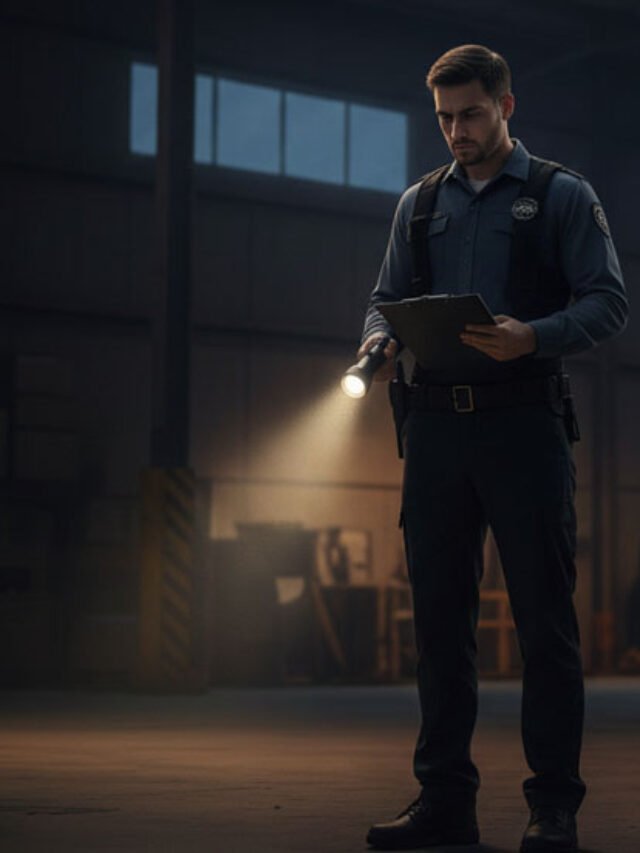
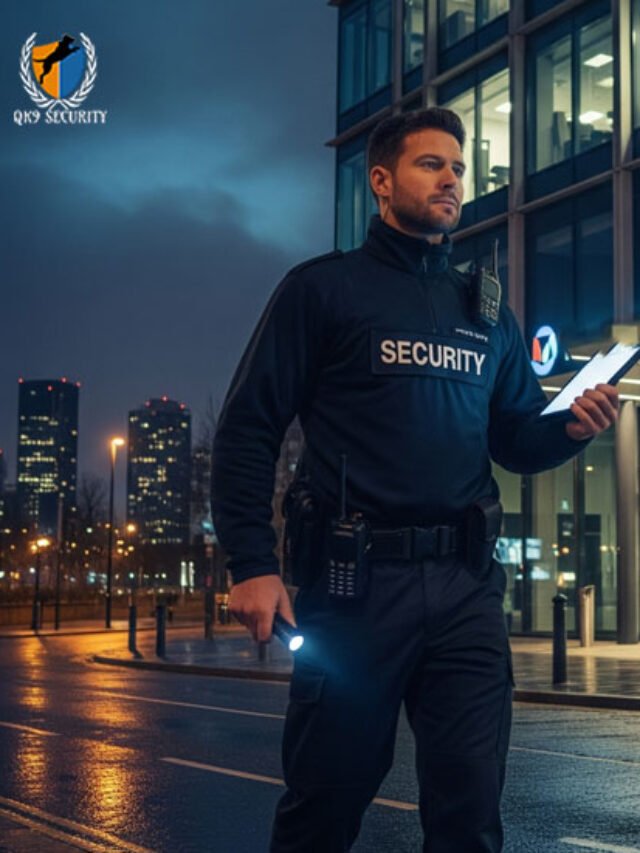
What Is a Static Guard?
- Monitoring access
- Checking IDs or passes
- Patrolling nearby areas
- Responding to incidents
- Reporting suspicious activity
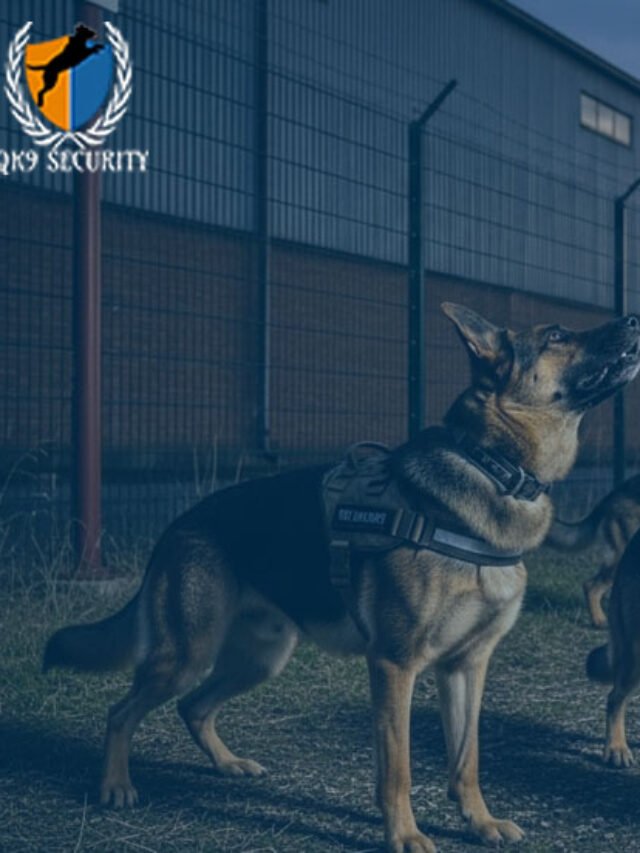
What Is a Security Dog?
Security dogs—usually German Shepherds, Belgian Malinois, or similar breeds—are trained for:
Intruder detection
Patrol assistance
Deterrence through presence
Scent tracking
Apprehension in high-risk cases
They are usually handled by trained dog handlers but can sometimes work semi-independently within fenced or controlled areas.
Deterrence Power: Who Looks More Intimidating?
Static Guard
A uniformed Guard creates a visible sense of authority. For many low- to medium-risk environments—such as offices, schools, hospitals, or residential buildings—this is often enough to discourage casual trespassers or thieves.
However, experienced criminals may not be intimidated by a single unarmed guard.
Security Dog
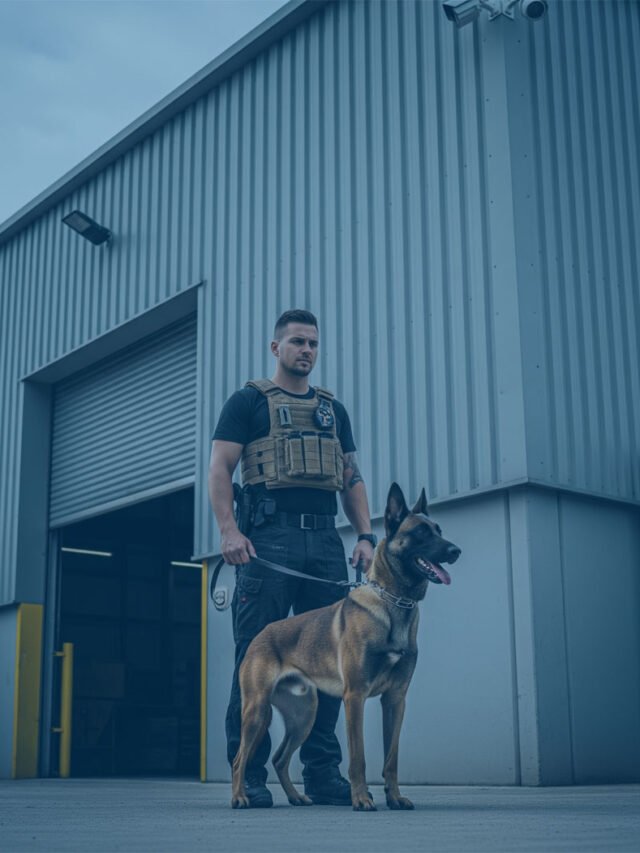
A barking, alert, and trained dog has a powerful psychological effect. Criminals often avoid sites protected by dogs because:
- Dogs detect movement and scent faster than humans
- They react instantly
- They are unpredictable to intruders
In pure deterrence, security dogs usually outperform static guards—especially in high-risk or remote areas.
Winner for deterrence: Security Dogs
Detection and Response Speed
Static Guard
A static Guard relies on eyesight, hearing, radios, cameras, and alarms. Human reaction time can be slowed by:
- Fatigue
- Distractions
- Poor visibility
- Bad weather
Even a well-trained guard may miss subtle signs that something is wrong.
Security Dog
Dogs have:
- Superior hearing
- Powerful night vision
- Exceptional sense of smell
Winner for detection: Security Dogs
Decision-Making and Judgment
Static Guard
This is where the static Guard shines. Humans can:
- Assess complex situations
- Communicate clearly
- De-escalate conflicts
- Follow legal procedures
- Make ethical decisions
They can differentiate between a lost visitor, an intoxicated person, and a real threat—something dogs cannot do accurately.
Security Dog
Dogs act based on training and instinct. They cannot:
- Understand context
- Interpret legal boundaries
- Communicate clearly with the public
- De-escalate emotionally
They require a handler or human supervisor to guide their actions.
Winner for judgment: Static Guard
Cost Comparison in 2026
Static Guard Costs
Costs depend on region, training level, and whether the guard is armed. In 2026:
- Basic static Guard: moderate cost
- Highly trained or armed guard: higher cost
- Multiple shifts mean multiple guards
However, there are no feeding, veterinary, or long-term care costs
Security Dog Costs
Security dogs involve:
- Purchase or leasing fees
- Training costs
- Handler salary
- Food and medical care
- Retirement care
A dog may eventually cost more than a single static guard, but it may also be less expensive than several guards covering a lot of ground.
Winner for flexibility in budget: Static Guard
Best Use Cases for Each
When a Static Guard Is Better
Choose a static Guard if you need:
- Customer interaction
- Access control and ID checks
- Conflict resolution
- Legal and report-based accountability
- Indoor or public-facing security
Best for:
- Offices
- Malls
- Hospitals
- Schools
- Residential buildings
- Corporate entrances
When Security Dogs Are Better
Choose security dogs if you need:
- Strong deterrence
- Fast intruder detection
- Large area coverage
- Night-time security
- Perimeter patrol
Best for:
- Warehouses
- Farms and estates
- Construction sites
- Remote facilities
- Industrial zones
Technology Changes the Game in 2026
In 2026, both options are often supported by:
- AI-powered cameras
- Motion sensors
- Smart alarms
- Drone surveillance
Digital systems are now more effective than ever because a static guard frequently keeps an eye on them. Dogs, when paired with GPS tracking and handler communication tools, also perform more efficiently.
The smartest security setups combine human intelligence, animal instincts, and modern technology.
The Hybrid Solution: Best of Both Worlds
Many top security providers now use:
- A static Guard at main entrances
- Security dogs for night patrols or perimeter checks
- Cameras and alarms to support both
This hybrid approach delivers:
- Human judgment
- Animal-level detection
- Technological accuracy
It’s often the most secure and cost-effective option for high-value properties.
Final Verdict: Which Offers Better Protection in 2026?
There is no single winner for every situation.
- If your priority is judgment, communication, and legal responsibility, the static Guard is your best choice.
If your priority is deterrence, early detection, and physical presence, security dogs offer stronger protection.
If you want maximum security, combine both.
In Simple Terms:
Public and people-focused areas → Static Guard
High-risk, remote, or large sites → Security Dogs
Premium protection → Static Guard + Security Dog + Technology
In 2026, the best protection doesn’t come from choosing one—it comes from building the right mix.