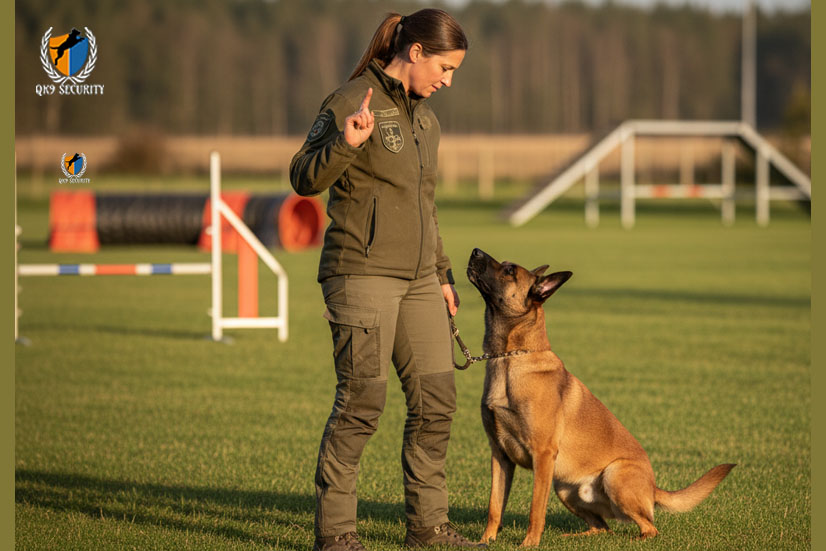
Working as a dog handler is a rewarding career for those who are passionate about animals, security, and public service. Dog handlers can be found in various fields such as law enforcement, the military, private security, search and rescue, and even therapy services. While each role may vary, there are some universal dog handler requirements you should know before pursuing this career.
What Does a Dog Handler Do?
A dog handler is responsible for training, managing, and working alongside dogs to perform specialized tasks. These tasks may include:
-
Assisting police or military units
-
Detecting drugs, explosives, or contraband
-
Guarding property in private security
-
Supporting search and rescue operations
-
Providing therapy or service support
Dog Handler Requirements to become Expert
1.Educational Background
- Typically, a high school degree or its equivalent is necessary.
- For specialized roles (e.g., police or military), additional qualifications may be needed.
2.Physical Fitness
Dog handler requirements also include maintaining good physical health and stamina. Many tasks involve long hours outdoors, patrolling, or physically handling dogs.
3.Training & Certification
- Formal K9 training programs are essential.
- Certifications vary depending on the sector (law enforcement, private security, service dogs).
- Hands-on experience is often required before becoming a full-time handler.
4.Skills & Personality Traits
Strong communication skills
- Patience and consistency in training
- Ability to build trust with dogs
- Problem-solving and quick decision-making
- Discipline and responsibility
5. Work Experience
- Many employers prefer candidates with previous experience in animal care, law enforcement, or security.
- Volunteering at shelters or working as a dog trainer can strengthen your application for dog handler requirements.
Career Paths for Dog Handlers
Dog handlers can pursue different career paths, including:
-
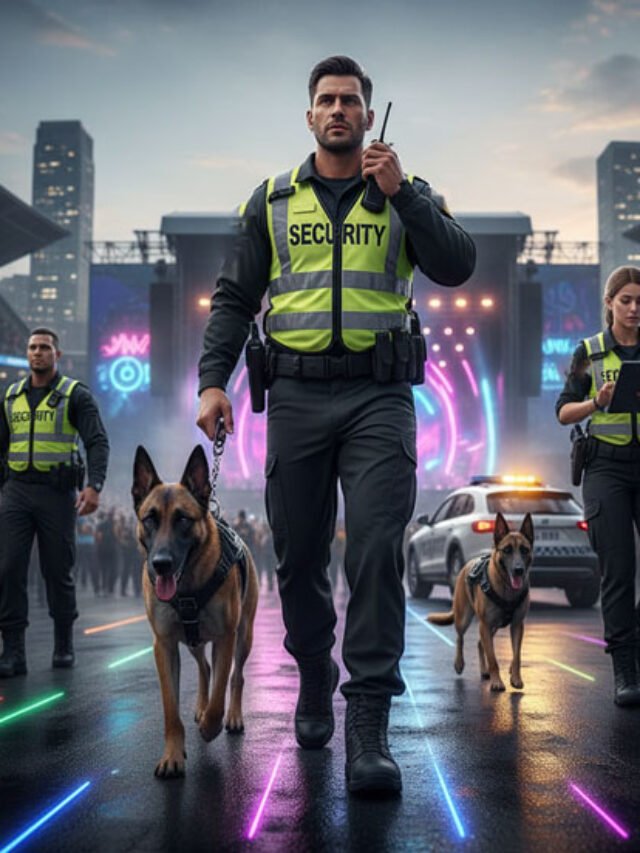
Police or Military K9 Units – detecting drugs, explosives, or tracking suspects.
-
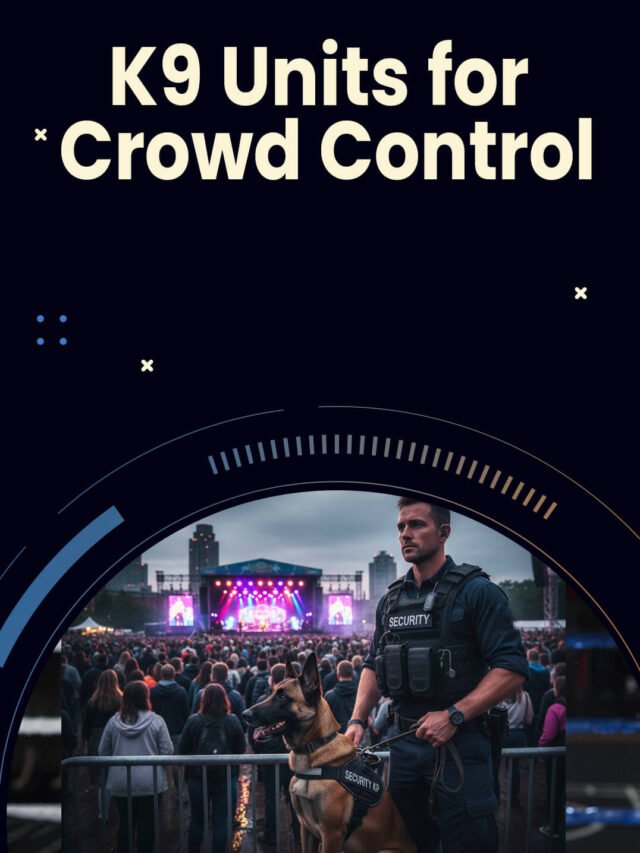
Private Security – guarding businesses, events, and properties.
-
Search and Rescue – finding missing persons after disasters.
-
Service & Therapy Dogs – supporting individuals with disabilities or mental health needs.
Dog Handler Requirements: They require dedication, training, and the ability to form a strong bond with dogs. With the right skills and commitment, this career offers not only stability but also the unique satisfaction of working alongside highly trained animals to protect and serve.
👉 Contact Qk9 Security today to discuss how we can provide dog handler requirements and services in the age of automation.
Frequently Asked Questions
A dog handler needs a deep blend of patience, keen observation, and clear communication to build a trusting partnership with their dog. They must understand canine behavior and psychology to train effectively, while also being responsible for the animal’s care and well-being.
Primarily, they are responsible for the dog’s training, welfare, and performance. This involves conducting daily training sessions to teach and reinforce skills, while constantly observing and interpreting the dog’s behavior and body language. The handler must ensure the dog’s physical health through proper feeding, exercise, grooming, and veterinary care, and maintain its equipment like leashes and harnesses.
Qualifications for a K9 Security Handler
To become a dog handler with QK9 Security Services, you need a combination of formal certification, practical training, and personal attributes:
Mandatory Licensing: You must hold a valid Security Industry Authority (SIA) licence, having completed the required “Working as a Security Dog Handler” course.
Company-Specific Training: QK9 will provide intensive in-house training on their protocols, dog handling techniques, and emergency response procedures.
Proven Experience: Prior hands-on work with dogs—in kennels, training, or security—is essential to demonstrate capability and reliability.
Key Personal Qualities: You must show patience, calm authority, physical fitness, and a strong sense of responsibility—both for the security task and for the welfare of your canine partner.
Successful applicants are those who can combine professional certification with the dedication to build a trusted, effective team with their security dog.
The most important dog commands are the ones that ensure safety, establish control, and enable polite day-to-day life. They are foundational for a well-trained and manageable dog.
1. Come / Recall
Stops your dog from running into danger and returns them to you immediately.
2. Leave it / Drop it
Prevents your dog from picking up, eating, or chewing harmful or unwanted items.
3. Sit / Stay
Acts as a “pause button” in busy or unsafe situations and encourages calm focus.
4. Heel / Loose Leash Walking
Makes walks safe and controlled instead of a pulling battle.
5. Down / Settle
Helps manage excitement and reinforces calm behavior in the home or in public.
6. Wait / Off
Teaches impulse control—useful at doors, around food, or to prevent jumping.
7. Name Recognition & Eye Contact
The most basic but essential cue—means “pay attention to me,” and is the foundation for all other commands.
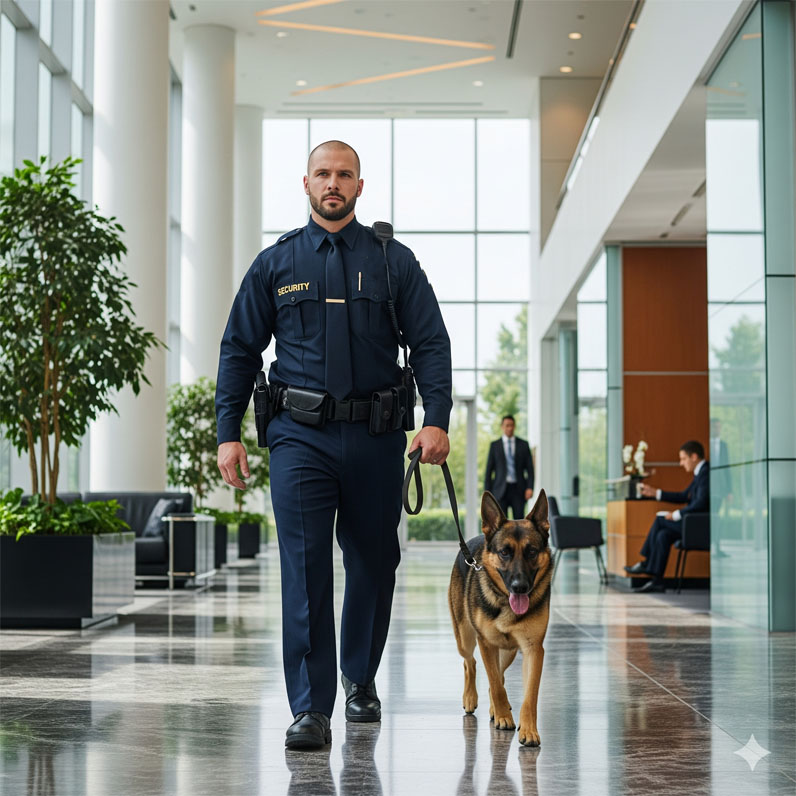
Most dogs can learn 20–50 commands with regular training, while well-trained dogs can understand 50 to 100 or more. Highly trained working or service dogs may learn hundreds of commands. The number depends on the dog’s breed, training consistency, and motivation.
To teach a dog a word, say the word clearly, then immediately guide the dog to perform the action and reward it with a treat or praise. Repeat this consistently in short sessions so the dog learns to associate the word with the action. Practice daily, use the same tone and word each time, and reward correct responses to help the dog remember the word.