The Art of Canine Communication: How To Read Dogs Body Language
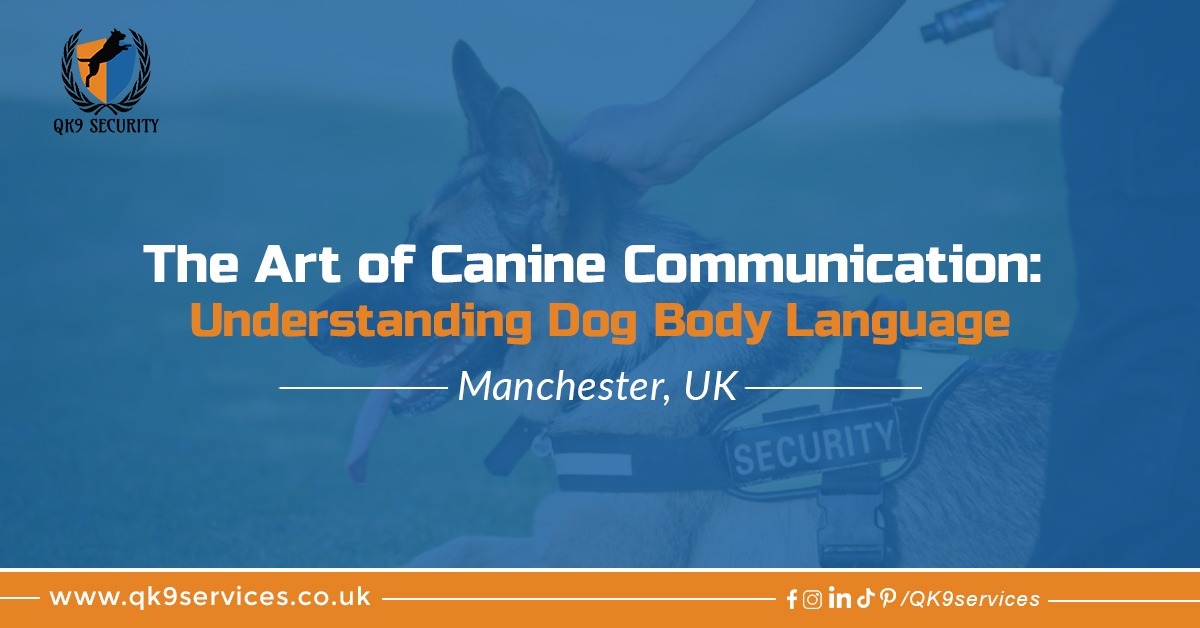
The Art of Canine Communication: How to Read Dogs Body Language
Dogs are highly intelligent and observant animals, capable of communicating complex emotions and intentions without using words. For professionals in the K9 security industry, understanding dogs body language is not just a skill—it is an essential part of ensuring safety, control, and effectiveness. At QK9 Security Services, reading canine communication is a core element of how we deliver reliable and responsive protection.
Why Understanding Dogs Body Language Matters
Dogs constantly communicate through posture, facial expressions, ear position, tail movement, and overall behavior. Misinterpreting these signals can lead to stress, reduced performance, or missed warning signs. In security environments, where quick and accurate responses are critical, understanding these cues allows handlers to act confidently and responsibly.
Key Elements of Dogs Body Language
1. Posture and Stance
- A confident, alert dog stands tall with balanced weight and focused attention.
- A tense or stiff posture may indicate heightened awareness or a potential threat.
- A lowered body or crouching can signal uncertainty or submission.
At QK9 Security Services, our handlers are trained to recognize these shifts instantly, ensuring dogs remain calm and controlled during operations.
2. Facial Expressions and Eyes
- Soft eyes and relaxed facial muscles indicate calmness.
- Wide eyes or intense staring may signal alertness or concern.
- Avoiding eye contact can show stress or submission.
Understanding these subtle signs helps handlers adjust commands and environments to maintain peak performance.
3. Ears and Tail Movement
- Ears forward often signal focus and interest.
- Pinned-back ears can indicate stress or caution.
- A high, still tail may suggest alert readiness, while a low or tucked tail can indicate fear or uncertainty.
These signals are especially important during patrols, crowd control, and site monitoring.
4. Movement and Behavior
- Controlled, deliberate movement shows discipline and confidence.
- Repetitive behaviors (pacing, excessive panting) may signal stress or overstimulation.
Professional K9 handling ensures dogs remain composed and effective even in high-pressure situations.
Canine Communication in Security Operations
In K9 security work, dogs often detect changes in their environment before humans do. A slight shift in posture or behavior can signal the presence of an unfamiliar individual or potential risk. Trained handlers at QK9 Security Services use this natural awareness to enhance early threat detection, deterrence, and rapid response.
The QK9 Security Services Approach
At QK9 Security Services, we prioritize:
- Advanced K9 training
- Strong handler-dog communication
- Continuous behavior assessment
- Ethical and professional canine care
This approach ensures our K9 units operate not only as security tools, but as trusted, well-understood partners.
Conclusion
Reading dogs body language is both an art and a science. It requires experience, patience, and professional training. In the world of physical security, this understanding translates into safer environments, quicker responses, and more reliable protection.